
EquIpment organIzatIon systems. DesIgned In Sweden.
ARCTIV develops modular storage platforms used by professionals working from transport cases, field kits and mobile workstations.
Structured equIpment systems for professIonal envIronments.
ARCTIV develops modular systems designed to organize complex equipment setups.
The platform structures equipment into clearly defined modules that can be transported, deployed and maintained consistently across teams and locations. Our systems are used in industries where equipment must remain organized under demanding conditions.







ORDER IN COMPLEX SYSTEMS
Complex equipment systems require structure.
Modular organization ensures that equipment remains visible, accessible and consistent over time.
ARCTIV systems maintain a modular order that allows equipment setups to evolve without losing clarity.
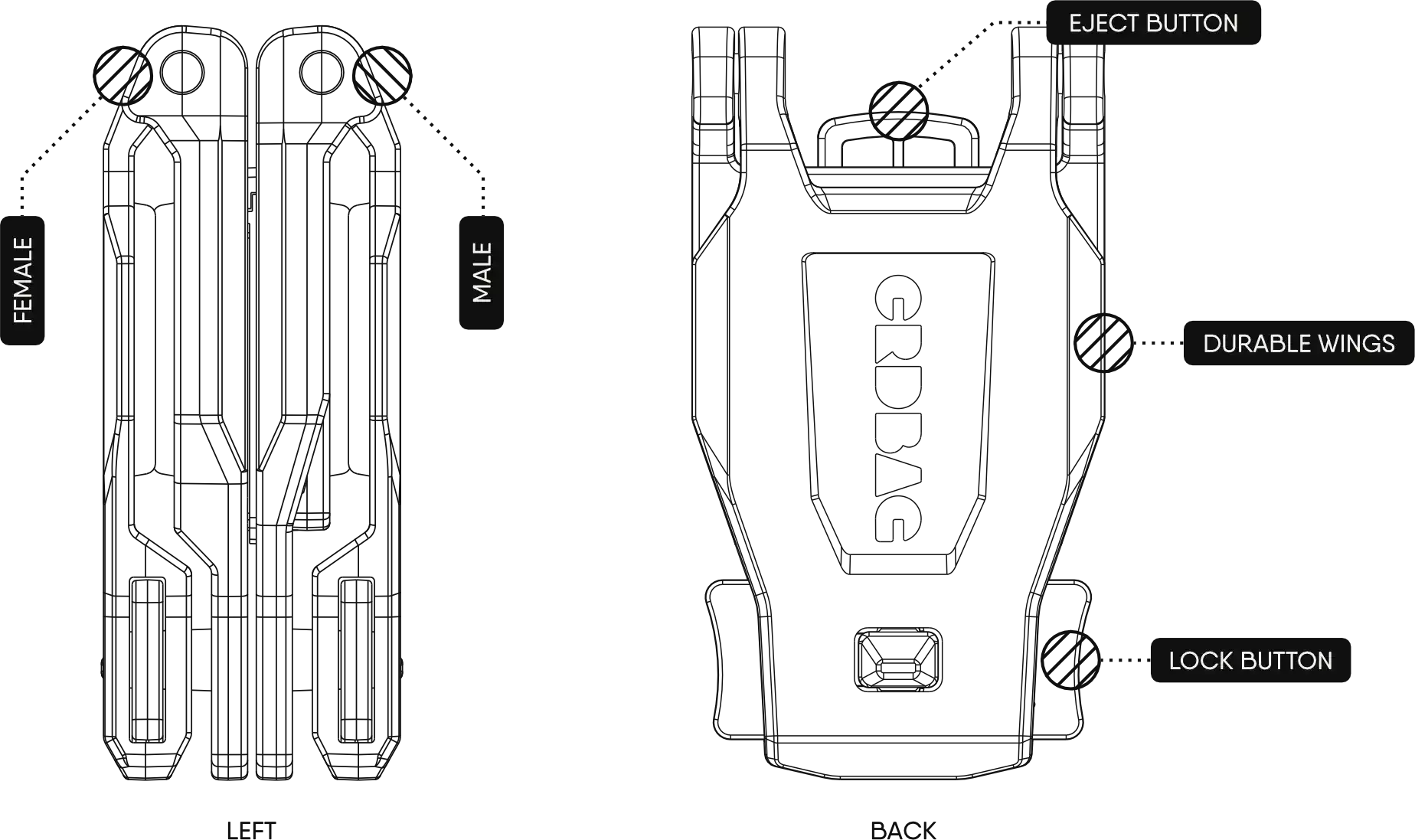
LOADOUT
ARCHITECTURE
Operational equipment is rarely random.
Each component belongs to a defined place within a structured loadout.
ARCTIV modular systems allow equipment kits to be built using standardized modules that fit together with minimal wasted space. The result is a clear structure that can be assembled, inspected and deployed quickly.
The right structure turns complex equipment into a predictable system.
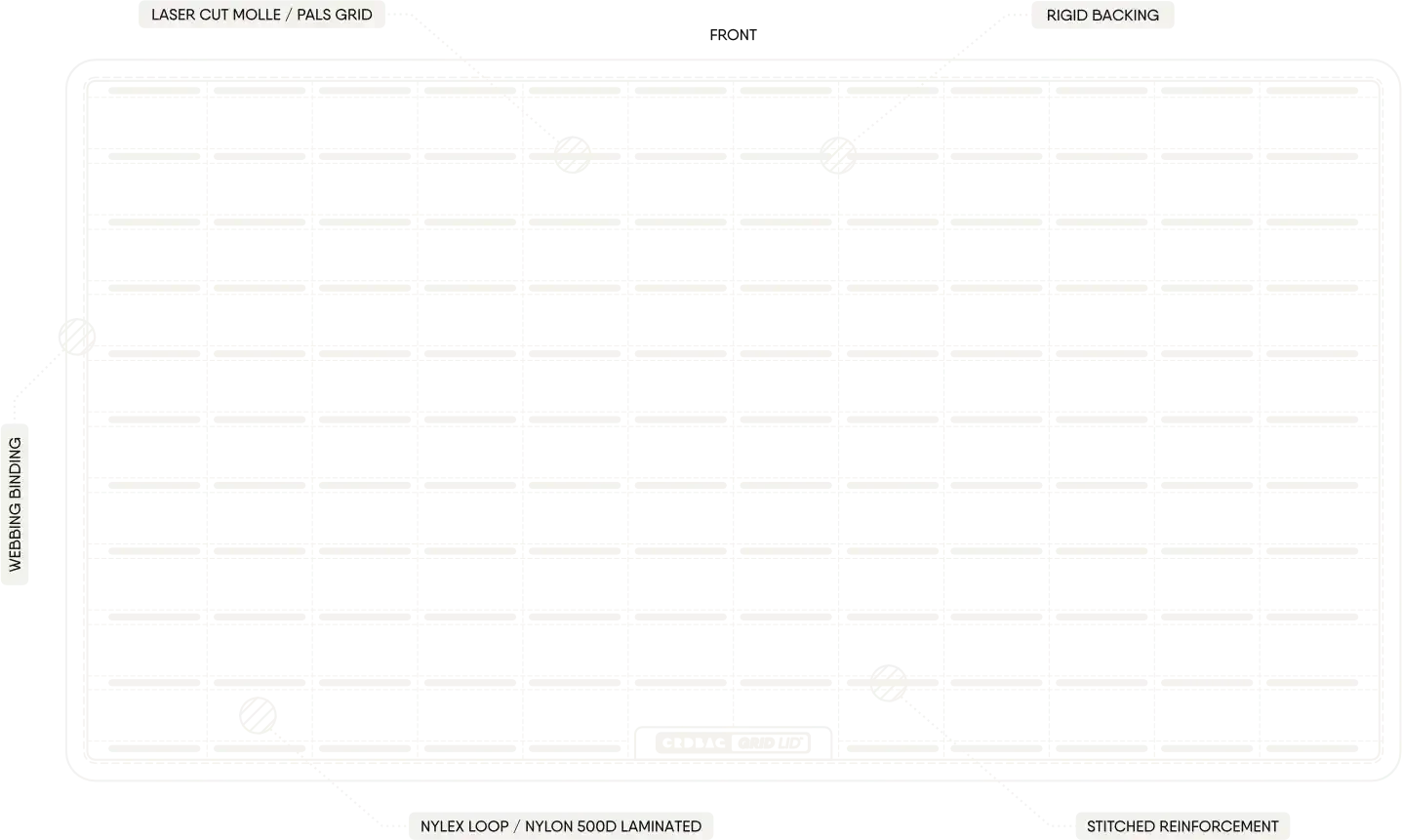
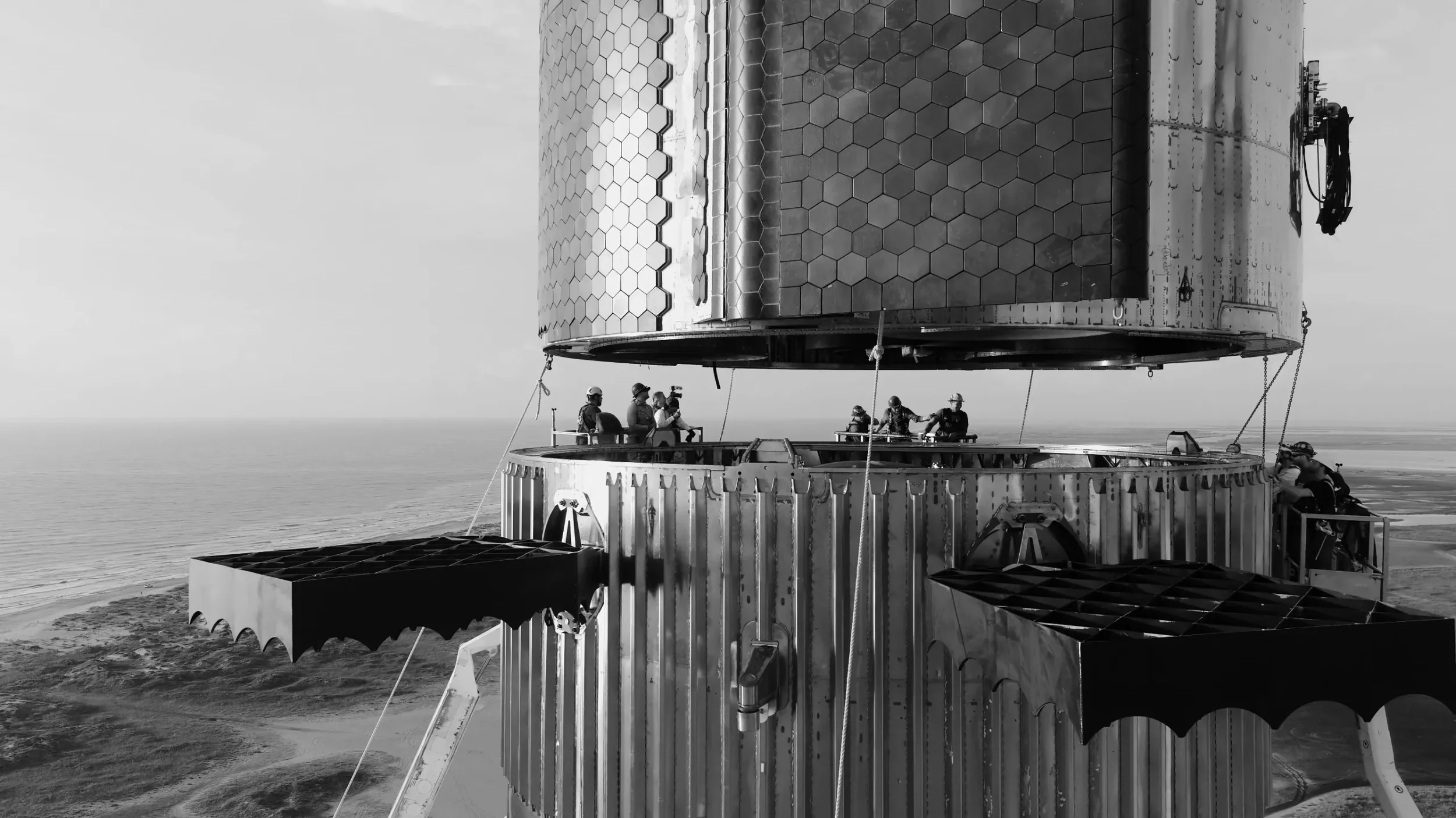
USED IN SPACE OPERATIONS
Image courtesy of SpaceX.
ARCTIV products have been included in equipment systems prepared for a space mission.
Equipment used in these environments must meet strict requirements for reliability, material stability and transport resilience.
Sub-packIng.
Sub-packing is the discipline of structuring equipment into modular units.
Instead of transporting loose equipment or fixed foam interiors, equipment is organized into modular systems that can be reconfigured and scaled.
This approach improves:
Peli 1535 Air
-
Professional environments often involve large volumes of equipment stored in transport cases.
ARCTIV systems are designed to allow equipment to be identified instantly without removing modules from the case.
Transparent materials, consistent module sizes and structured labeling make it possible to visually scan equipment kits and immediately confirm contents.
This approach reduces the need for manual inspection and allows teams to verify equipment configurations quickly during preparation, deployment and return procedures.
Visual identification becomes especially important in environments where multiple technicians, operators or departments share the same equipment systems.
-
Equipment that is organized into modular units can be deployed significantly faster than loose or foam-based storage systems.
Sub-packing allows teams to access complete equipment categories in a single action rather than searching through mixed storage.
Modules can be removed, exchanged or repositioned without affecting the overall equipment structure.
This makes it possible to prepare equipment kits quickly for specific missions, productions or service tasks.
In field environments where time is critical, structured modular systems reduce preparation time and minimize operational delays.
-
Large organizations often operate with multiple teams using similar equipment setups.
Without a structured system, equipment kits tend to evolve differently across locations, departments or operators.
ARCTIV systems enable organizations to standardize equipment structures across teams.
Modules can be defined, documented and replicated across multiple cases or deployments.
This ensures that equipment configurations remain consistent regardless of who prepares the kit or where the equipment is used.
Consistency simplifies training, reduces configuration errors and improves operational reliability.
-
Professional equipment ecosystems constantly evolve.
New tools, devices and components are introduced while others are replaced or removed.
Traditional storage solutions such as foam interiors are difficult to modify once installed.
Modular sub-packing systems allow equipment kits to evolve over time without replacing the entire storage system.
Modules can be reconfigured, replaced or expanded as equipment requirements change.
This makes the system suitable for long operational lifecycles where equipment platforms are continuously updated.